The Rhythm of Kyoto: Between Centuries-Old Moss and Modern Solitude
By Mei-Ling Thorne • Photography by 111111 Guild • Published November 03, 2024
Article Architecture
To arrive in Kyoto after the midday express from Tokyo is to experience a stark temporal clash. Yet, if one wakes before the commuter trains begin their low hum at 5:00 AM, the former imperial capital reveals its true texture: wet flagstones, the clean cedar scent of wooden machiya houses, and the quiet sweep of bamboo brooms outside neighborhood shrines.
1. The Hour of Blue Light in Arashiyama
Most visitors experience Arashiyama's famous bamboo grove surrounded by hundreds of selfie sticks. But visit at 5:45 AM during late autumn, and the towering stalks creak in solitary symphony. As the wind moves through the canopy, the leaves whisper like running water.
2. Wabi-Sabi and the Raked Gravel of Daitoku-ji
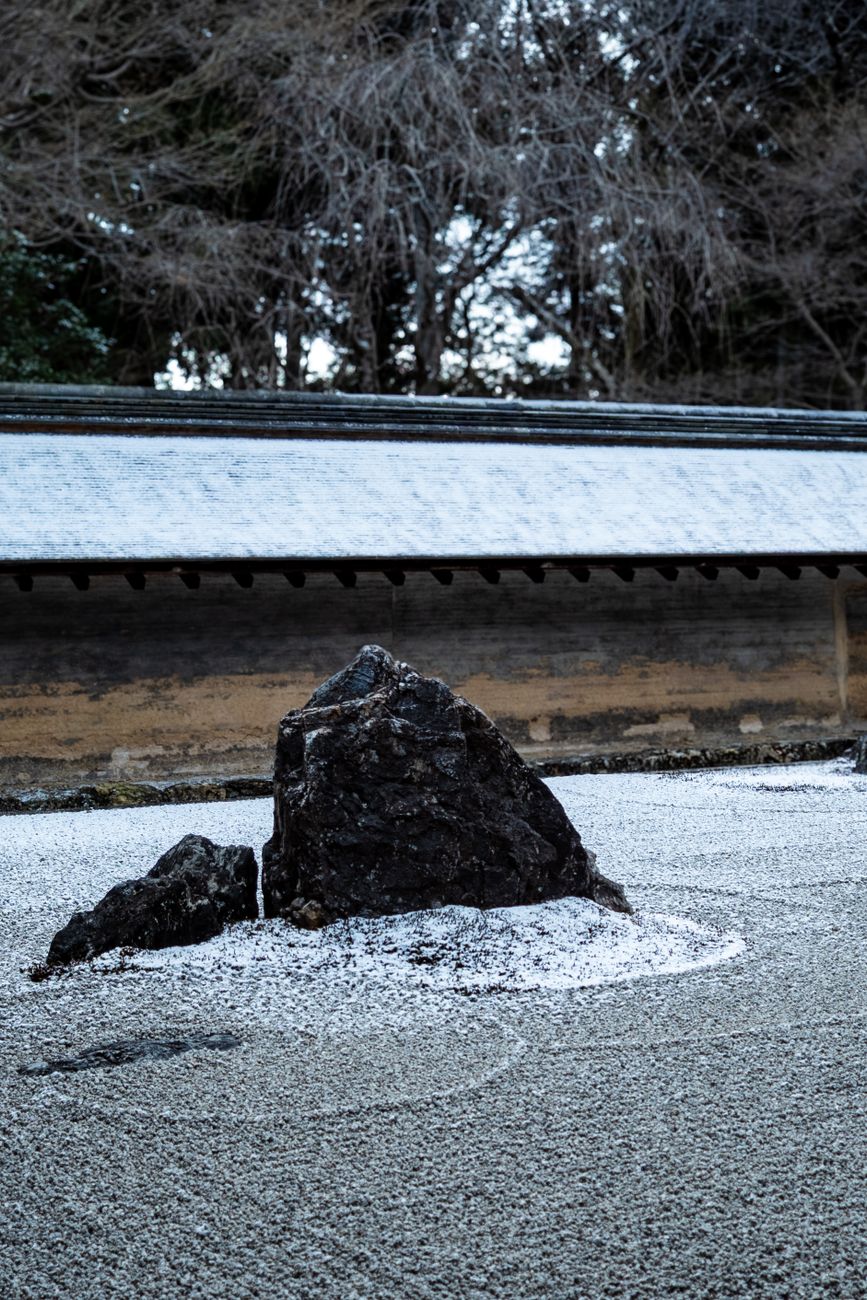
Within the sub-temple complex of Daitoku-ji, dry landscape gardens (karesansui) distill cosmic principles into fifteen strategically placed rocks and meticulously raked white granite sand. The design is deliberately asymmetrical, reminding the onlooker that perfection is an illusion and transience is the only universal constant.
"In Kyoto, time does not flow like an arrow; it circles gently like steam rising from a bowl of freshly whisked Uji matcha."
3. The Quiet Discipline of the Chashitsu
Attending a traditional tea gathering in an authentic two-mat tea house requires stripping away ego. The crawl-in entrance (nijiriguchi) forces all guests—whether samurai or foreign travelers—to bow low, acknowledging that within this humble room, status ceases to exist.
Seeking More Cultural Insights?
Explore our complete archive of Asian architectural essays.