Silence Above 2,000 Meters: Traversing the High Valleys of the Dolomites
By Julian Croft • Photography by 111111 Guild • Published October 14, 2024
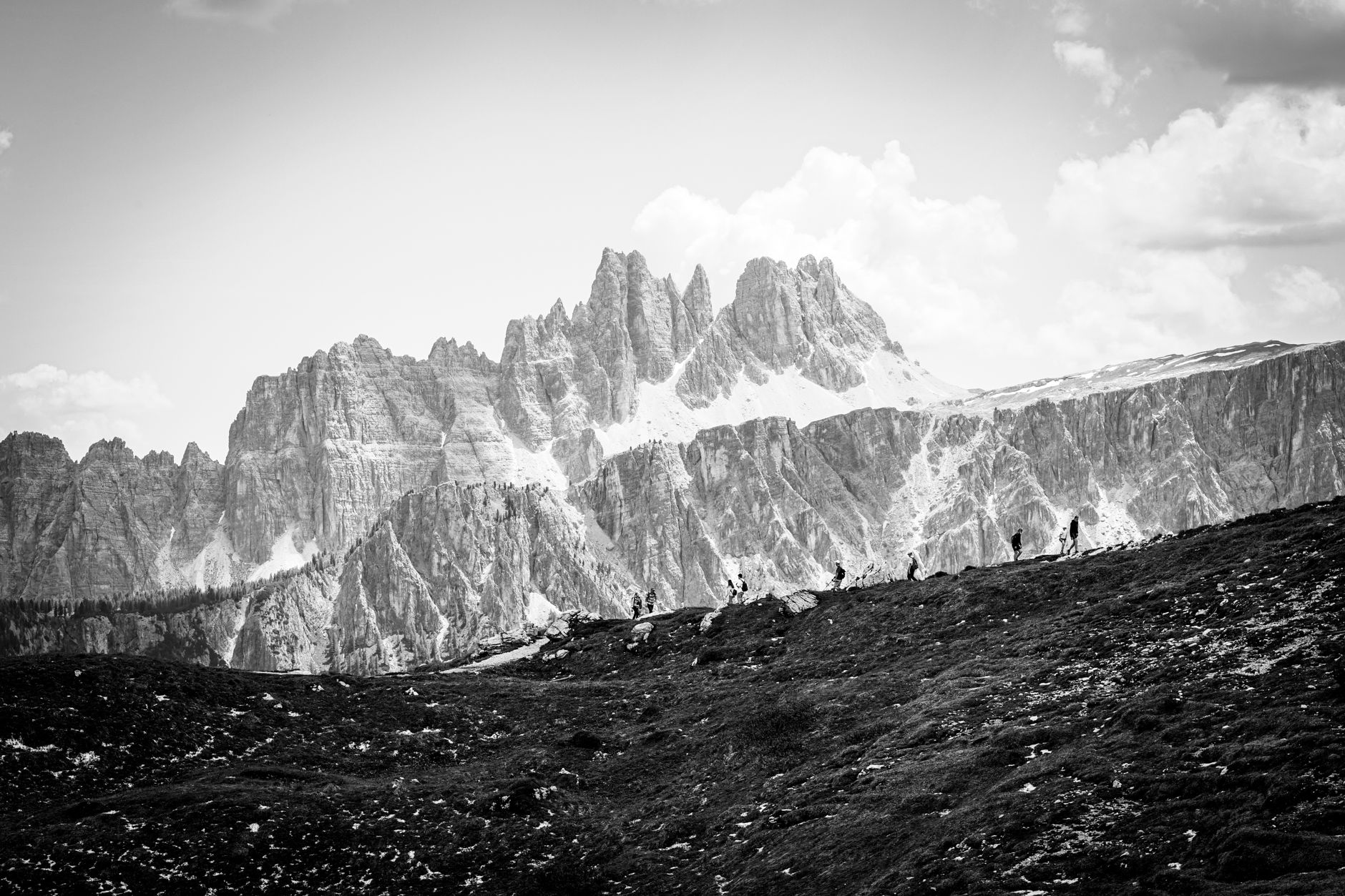
The pinnacles of Tre Cime di Lavaredo breaking through morning inversion layer.
Table of Contents
The morning begins not with the sound of civilization, but with the clinking of cowbells in the pasture two thousand feet below Rifugio Lagazuoi. At this elevation, the air holds a crystalline sharpness that cuts straight through sleep. Looking outward, the jagged limestone towers of the Italian Dolomites stand like frozen monoliths cast in shades of pale rose and bone white.
1. The Geometry of Alta Via 1
Alta Via 1 remains one of the world's most poetic long-distance paths. Extending roughly 120 kilometers from Lago di Braies down toward Belluno, it cuts through the heart of World War I historical remnants, sheer via ferratas, and secluded cirques where edelweiss still grows wild among gravel screes.
Unlike commercialized trekking routes where crowds congregate around souvenir outposts, the northern segments demand respectful endurance. Here, every step echoes against limestone walls that were once prehistoric coral reefs deep within the Tethys Ocean.
"To walk the high plateau is to understand geological humility. The rock does not welcome you, nor does it resist you—it simply endures."
2. The Ritual of Rifugio Living
There is an unspoken camaraderie found in the high refuges. Hikers unlace heavy leather boots at the door, stepping into communal felt slippers before gathering in wood-paneled dining rooms warmed by ceramic stoves. Meals here are unpretentious and deeply regional: polenta served with mountain mushrooms, canederli dumplings swimming in rich broth, and carafes of local Lagrein wine.
3. Chasing the Alpenglow
For photographers, the phenomenon known as Enrosadira is the pinnacle of the day. As the sun sinks below the western horizon, the high magnesium and calcium content of the dolomite rock causes the peaks to burn with vivid orange, violet, and magenta hues. The show lasts barely twelve minutes before deep twilight claims the mountain passes.
4. Practical Field Notes for Travelers
- Optimal Season: Late June to late September. October brings unpredictable blizzards.
- Reservations: Rifugi must be reserved 6–8 months in advance for peak August trekking.
- Gear: Sturdy Vibram-soled mountaineering boots and a 35L lightweight pack are indispensable.
Love this Alpine Guide?
Share this chronicle with fellow travelers or join our private readers list.